
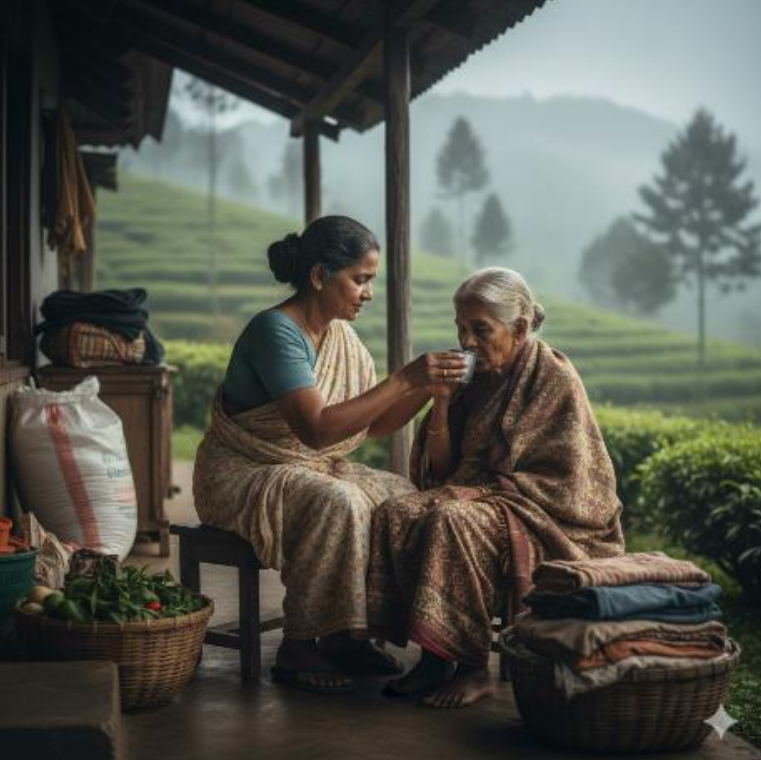
As the elderly population in Sri Lanka grows to exceed 12% of the total population, a new study published in The Sri Lankan Journal of Allied Health Sciences by researchers Galisapitiya ISK, Wijekoon WMIT, Sirisena MSR, Herath WGHMCD, Jayawardana CBMKKK, Rathnakumari KN, and Sandakumari HHHS warns that the country’s informal support network is under extreme pressure. Research conducted in the Nuwara Eliya District reveals that family caregivers are bearing the primary responsibility for eldercare, often without the necessary financial, social, or psychological resources. This reliance on informal care is particularly acute in rural areas where institutional support is limited, leaving family members, predominantly women, to manage the physical and emotional demands of long-term care alone
The study, led by the Faculty of Nursing at KIU, Sri Lanka, paints a sobering picture of the “typical” caregiver in these communities: a middle-aged female, often unemployed, who spends an average of 31 hours per week providing care. Specifically, 69% of the caregivers surveyed by Galisapitiya and colleagues were women, many of whom are wives or daughters who have sacrificed their own employment opportunities to fulfill cultural expectations of family duty. With 51% of these caregivers currently unemployed, the economic toll is significant, frequently leading to financial strain and long-term insecurity for the entire household.
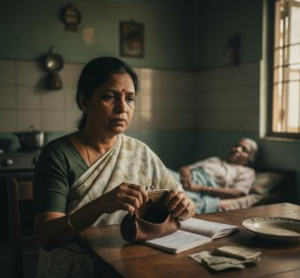
This intense dedication comes at a high personal cost. The research team found that 58.4% of caregivers experience moderate to severe burden, a condition that is directly and negatively correlated with their overall Quality of Life (QoL). While many caregivers reported a mid-level QoL, driven partly by a “sense of value” derived from caring for loved ones, nearly 68% are operating in a state of constant stress. The data indicate that as the burden of care increases, personal well-being declines, with “caring stress” and “money matters” being the most significant contributors to poor outcomes.
https://www.themorning.lk/articles/7m9Wxb R8kL4BiWvs0XeI