Topic: Introduction to Research in Computing
Date: 17.03.2025
Venue: KIU Auditorium
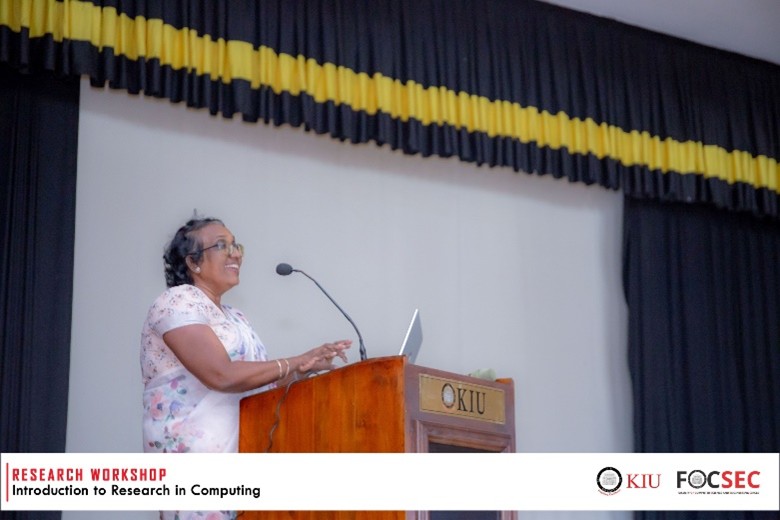
Resource Person: Ms. Vishaka Nanayakkara, University of Moratuwa
Participants: Students in Faculty of Engineering & Computer Science
Number of Students: All students
Objectives: This workshop was to introduce students to the fundamentals of research in Computing, focusing on essential research methodologies, innovative project idea generation, and critical thinking. It aimed to equip students with the skills necessary for identifying research gaps, developing practical solutions, and fostering collaboration. The workshop also sought to bridge the gap between theoretical knowledge and real-world applications, preparing students for success in both academic and industry settings.
About the Workshop
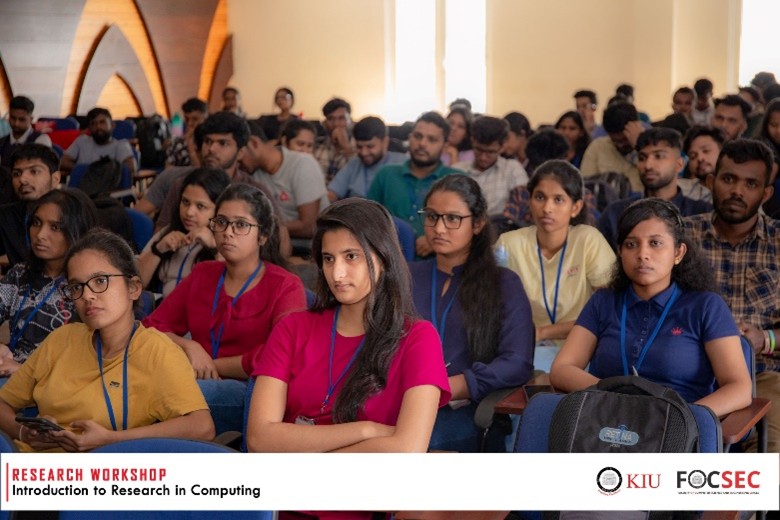
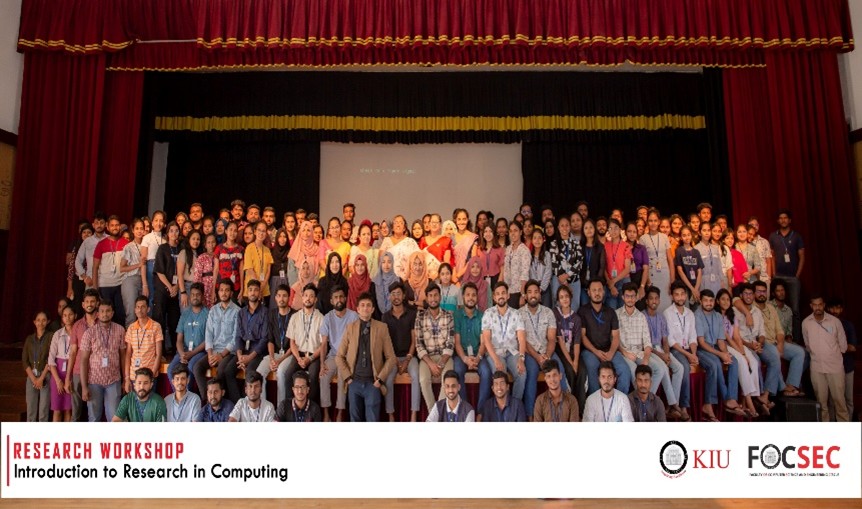
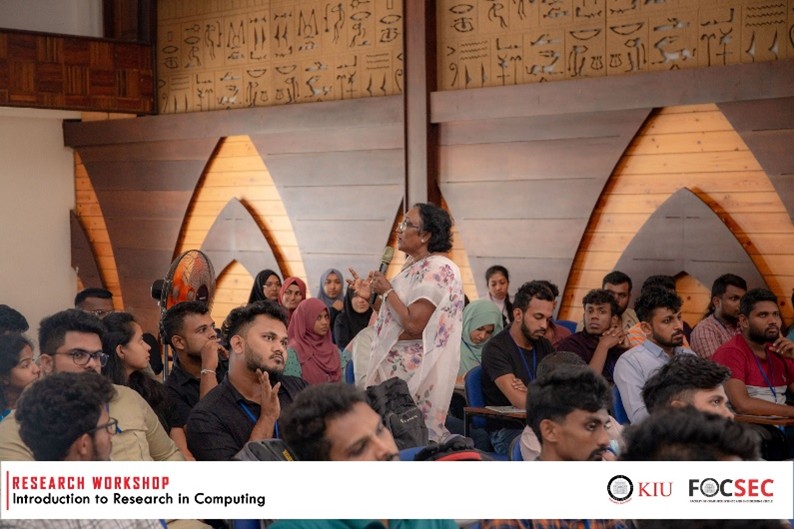
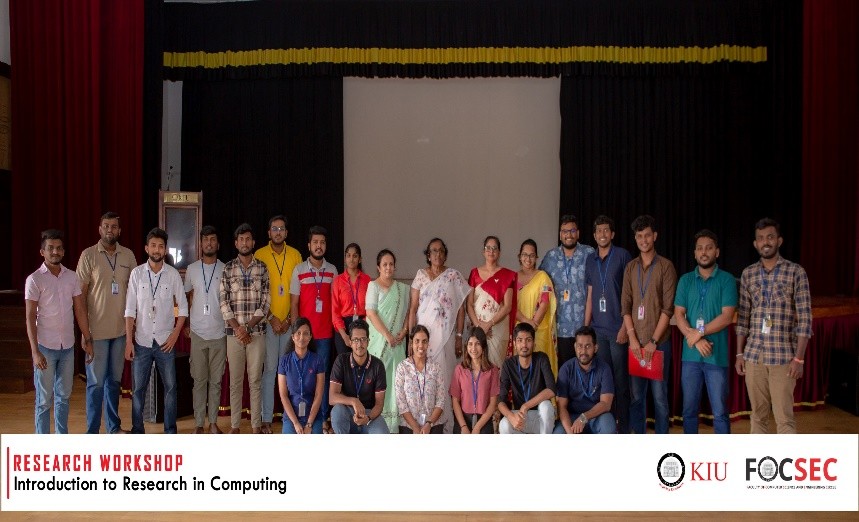
The Faculty of Computer Science and Engineering at KIU University hosted its inaugural Research Workshop on 17th March 2025 — marking a significant milestone in the faculty’s commitment to building a strong research culture among its undergraduate student body. Held at the KIU Auditorium, the event brought together all students from the faculty for a full-day session designed to open their eyes to the world of academic and applied research in computing.
This was the first formally organised research-focused event of its kind within the faculty, signalling a deliberate shift toward embedding research thinking into the student experience from the earliest stages of their degree — not just in their final-year projects, but as a habit of mind cultivated throughout their studies.
Resource Person
The workshop was led by Ms. Vishaka Nanayakkara, a Senior Lecturer at the University of Moratuwa with over fifteen years of experience teaching undergraduate students in the fields of Computer, Electrical and Electronic Engineering across a range of IT-related subjects. Her research interests span technology-based teaching and learning, assessment in higher education, e-Governance, and ICT for development. She holds a Technical Licentiate from the Department of Computer Engineering at Chalmers University of Technology, Sweden, and a first-class BSc (Hons) in Engineering from the Department of Computer Science and Engineering at the University of Moratuwa.
Her expertise made her an ideal choice to guide KIU students through the landscape of computing research — combining deep academic knowledge with a long track record of making research concepts accessible and relevant to undergraduate learners.
What Students Learned
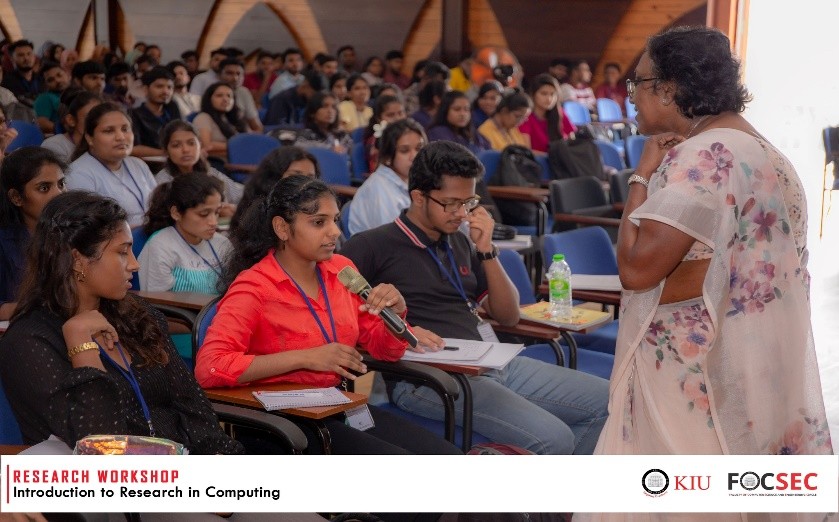
The session covered the foundational building blocks of research in computing — from understanding what research is and how it differs from project work, to identifying meaningful research problems and gaps in existing knowledge. Students were introduced to research methodologies commonly used in computing disciplines, including both quantitative and qualitative approaches, and explored how to frame research questions clearly and precisely.
A particular focus was placed on idea generation — helping students move from vague interests to structured, researchable project concepts. Through guided exercises and discussion, participants practised evaluating existing literature, spotting opportunities for original contribution, and thinking critically about the work of others.
The workshop also addressed the practical dimension of research: collaboration, ethical considerations, academic writing conventions, and how research conducted at the undergraduate level can connect to real-world problems in the technology industry.
Why Research Matters at This Stage
KIU’s Faculty of Computer Science and Engineering is geared to deliver skills and knowledge that go beyond existing systems, preparing students for professional careers in the IT industry — providing the perfect environment to gain both theoretical knowledge and practical competence across computer programming, software development, and transferable career skills.
Research capability sits at the heart of that mission. The ability to identify problems, evaluate solutions, and communicate findings systematically is not just an academic skill — it is increasingly valued by employers in software engineering, cybersecurity, data science, and technology consulting. By introducing these competencies early, the faculty is equipping its students to stand out both in postgraduate applications and in the workplace.
This inaugural workshop is the first step in what the faculty intends to be a growing programme of research engagement — laying the groundwork for more workshops, seminars, and student research projects in the months and years ahead.
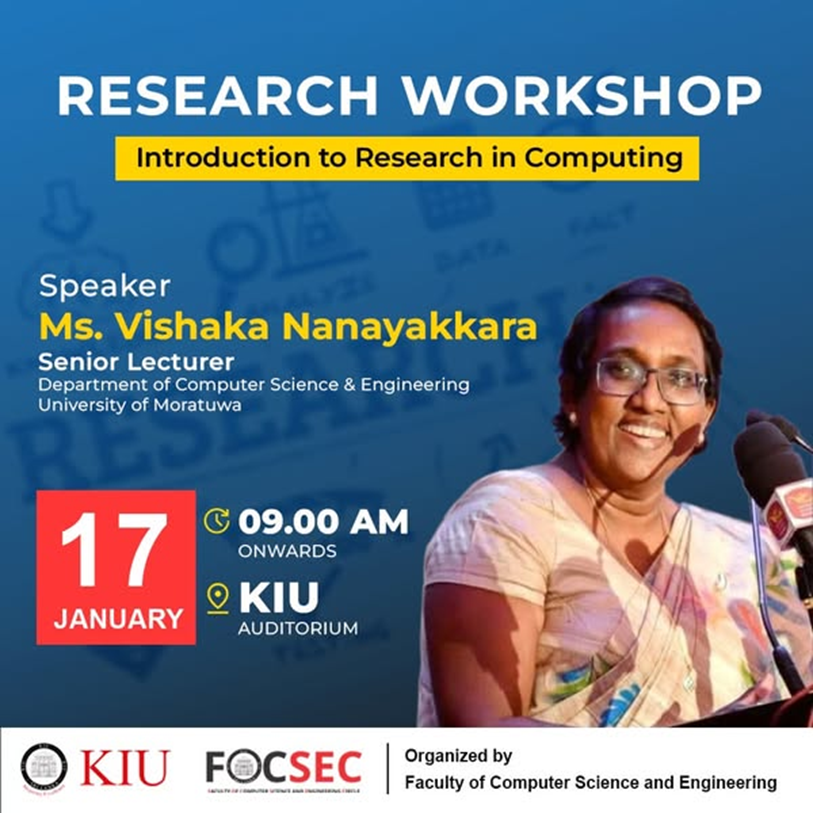
Approved Flyer:
Sample Evidence: (Photos/Videos/Links)