
The modern world, though adorned with the language of progress and unity, still trembles under the echoes of war. From shattered cities to silent refugee camps, the human cost of conflict continues to unfold in ways both visible and unseen. In an age where technology has advanced beyond imagination, it is perhaps one of humanity’s greatest contradictions that the instruments of destruction have evolved just as rapidly.
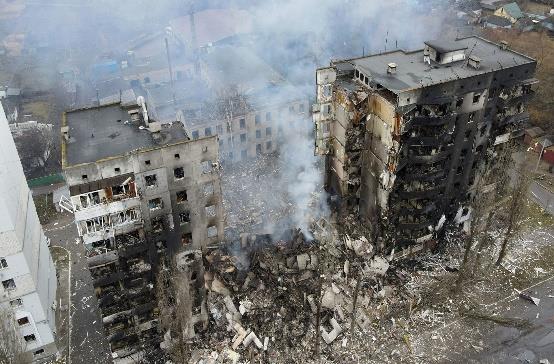
Today’s conflicts are no longer confined to distant battlefields between uniformed armies. They seep into homes, schools, and hospitals, blurring the lines between combatants and civilians. The cries of displaced families, the ear in the eyes of children, and the loss of cultural heritage remind us that war is not merely a political event, it is a deeply human tragedy.
Amidst this chaos, international humanitarian law stands as a fragile yet vital shield. Rooted in the principles of humanity, necessity, and proportionality, it seeks to limit the horrors of war. It demands that even in conflict, there are rules; rules that protect those who are not fighting and restrict the means and methods of warfare. It insists that dignity must not be a casualty of war.
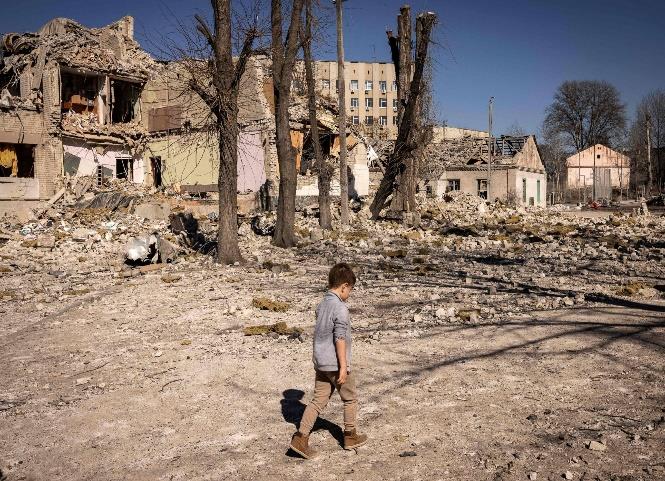
Yet, the challenge lies not in the absence of law, but in its enforcement. Violations persist, often overshadowed by political interests and power struggles. The gap between legal ideals and ground realities exposes the ulnerability of humanitarian principles in times of crisis. Still, the existence of such law is a testament to humanity’s enduring hope, a belief that even in the darkest moments, compassion can prevail over cruelty.
The responsibility, therefore, does not rest solely on states or international bodies. It extends to every individual, every institution, and every generation. Awareness, advocacy, and accountability are essential to ensure that humanitarian law is not reduced to mere words on paper but becomes a living promise upheld across borders.
In the end, the story of war is also the story of resistance, not just resistance against enemies, but against the erosion of humanity itself. International humanitarian law may not end wars, but it reminds us of who we are meant to be, even when the world seems to forget.